Skip to content
Mauro Magnasco Ghirardelli

Mauro Alberto Magnasco Ghirardelli

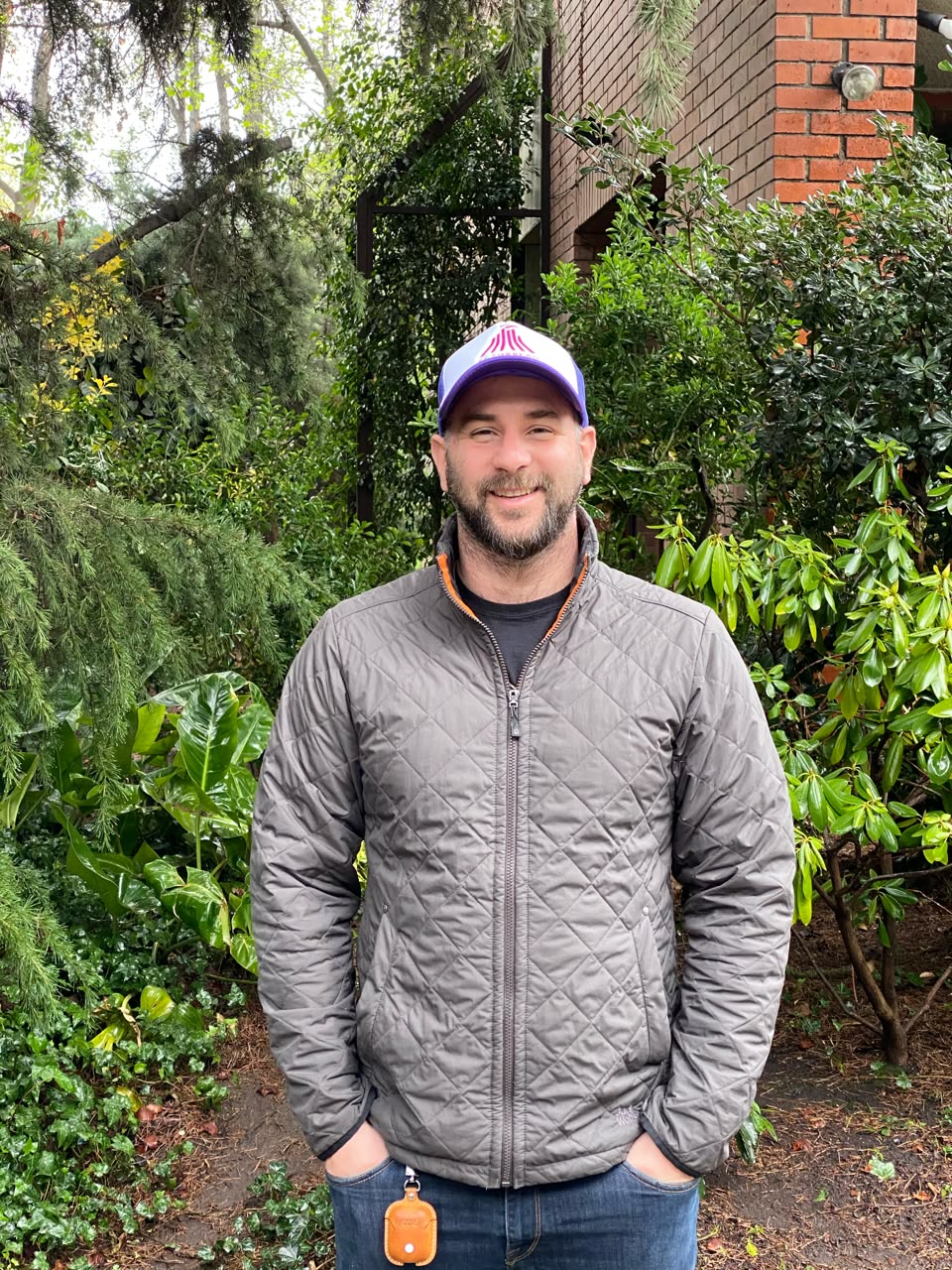
I am a Chilean businessman, designer and executive linked to the marketing, technology and agriculture industries. I am general manager of El Torreón Export, a family farming and export company operating in San Carlos, Ñuble Region, mainly devoted to growing, processing and exporting fresh fruit.

Mauro Magnasco Ghirardelli, general manager of El Torreón Export, in San Carlos, Ñuble Region

Seen in

  • Porsche
  • La Tercera
  • Cooperativa
  • Expansión
  • La Discusión
  • Universidad del Bío-Bío
View press

Story

Before moving into agriculture I built my professional career in marketing and communications, particularly at Puma, where I worked in creative marketing and later in digital marketing for Latin America. During that period I took part in regional projects tied to urban culture, sport, fashion and digital media. By 2013 I was publicly identified as regional Digital Manager for Puma Latin America.

After a period devoted to technology entrepreneurship, I joined the management of El Torreón Export, a company founded by my family in the twentieth century and now devoted to growing and exporting apples, blueberries and cherries, among other agricultural products.

During my management I have taken part publicly in discussions on the competitiveness of Chilean fruit growing, the international blueberry market, the Lobesia botrana pest, phytosanitary systems for export, the adoption of technology in agriculture and the availability of labour in the farming sector.

01

Early years and education

I was born on 27 October 1983 at Clínica Reñaca, in Chile's Valparaíso Region.

I spent part of my childhood in the Valparaíso Region and later moved to Santiago. I attended schools in the German tradition, including the German School of Valparaíso and the German School of Santiago.

I then entered the Pontifical Catholic University of Chile, where I studied Integral Design between 2002 and 2007. Years later I completed an Executive International MBA at the same university, between 2009 and 2011.

My schooling included German language studies and certifications tied to the German education system. Besides Spanish, I developed knowledge of English, German and Portuguese, the latter during my professional residence in São Paulo, Brazil.

02

Professional career

Marketing and Puma

I began my professional career in areas related to design, communications and marketing.

A significant part of my early career took place at Puma, where I held various marketing responsibilities in Chile and later across Latin America.

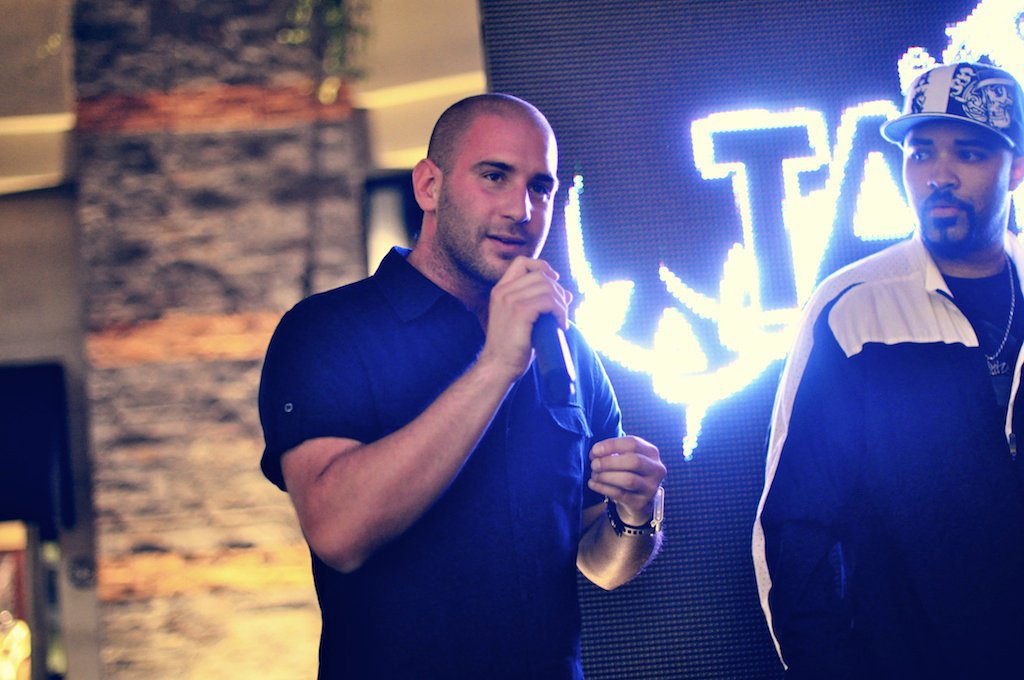
In 2010 I was quoted by La Tercera as head of Creative Marketing for Puma Latin America, in connection with a collection developed by the company to strengthen its presence within sneakerhead culture. The project brought together tattoo artists from Chile, Argentina, Brazil and Mexico to develop designs inspired by their own countries, as part of the Latin American bicentenary activities.

I later lived and worked in São Paulo, where I took part in the marketing management of Puma Brazil and in initiatives tied to the international Puma Social platform, a company strategy linking sport, nightlife, culture and socialising.

I subsequently took on regional responsibilities in digital marketing for Latin America.

In February 2013, Expansión magazine identified me as regional Digital Manager for Puma Latin America in an analysis of the digital strategies used by the leading sports brands. In that context I argued that the success of a digital campaign should not be measured solely by the raw number of followers or interactions, but by the quality of the interaction generated with consumers.

This stage of my career unfolded during a period of rapid transformation from traditional advertising towards social media, digital content and direct interaction between brands and consumers.
Marketing and Puma

Entrepreneurship and digital projects

After my corporate experience, I took part in projects linked to entrepreneurship and digital platforms.

Among them was Globo Rojo, first developed around 2013 and formalised as a venture during 2014. The platform explored mechanisms for discovering, rating and recommending digital content through social reputation systems.

I also took part in communication and digital marketing initiatives, among them PIMP.cl, and carried out teaching and training activities related to e-branding and e-commerce.

Between December 2012 and September 2013 I lectured on an eBranding diploma at the Santiago Chamber of Commerce, according to my public professional record.

My work during this period also included business consultancy and projects related to strategy, communications and digital transformation.

Launch day of Globo Rojo

Moving into agriculture

In the mid-2010s I made a significant change in my career by moving permanently into farm management.

My professional profile records my appointment as general manager of El Torreón Export in January 2015, a role I initially held until 2021 and formally resumed in 2022.

The change meant moving from a career centred mainly on marketing, design and communications to running a productive, exporting company.

A description published by La Tercera in 2022 sums up this transition, noting that I am a designer by profession and that, after my father's death, I began to devote myself to agriculture and specifically to growing and exporting blueberries, cherries and apples.

Moving into agriculture

03

El Torreón Export

Company history

El Torreón Export Limitada is an agricultural company based in San Carlos, Ñuble Region.

The company traces its origins to 1969 and specialises in farming, fruit production, processing, packing, cold chain and export.

Available legal records show that El Torreón Export Limitada was incorporated by public deed on 22 January 2002, registered with the Chillán Commercial Registry and published in the Official Gazette on 29 January of the same year.

Corporate documentation published subsequently identifies me as one of the company's partners.

Over the following decades the operation evolved from an activity mainly tied to apple production towards an integrated farming model that added other fruit species, processing and storage infrastructure, and direct export.

A public description of the company’s corporate identity project characterises El Torreón as a fruit-growing and exporting company based in San Carlos, run by the third family generation. The same source describes the shift from production originally concentrated on apples towards a structure that also includes blueberries and cherries.

Company history

+50

years of family history

66

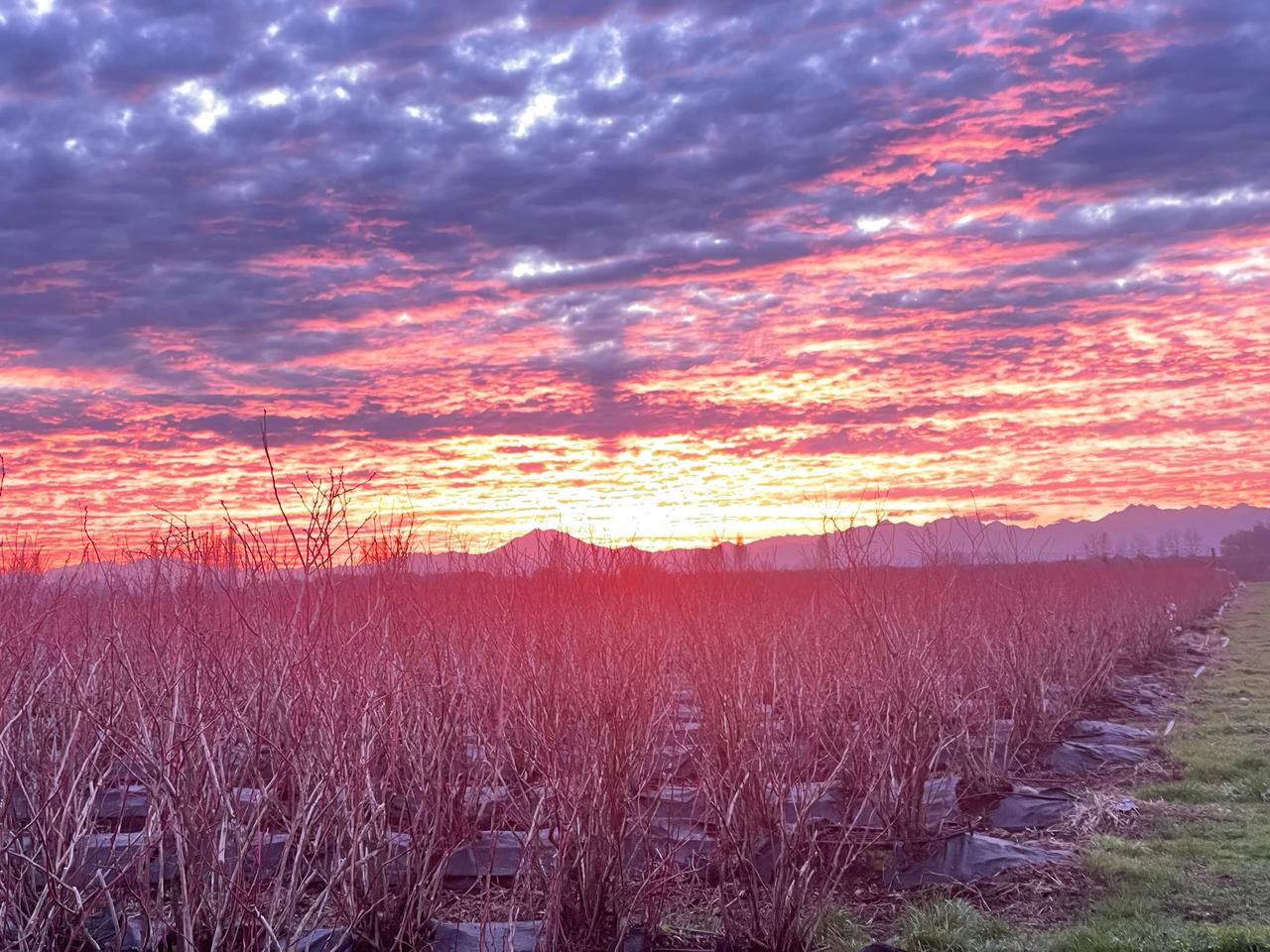
hectares of blueberries

77

hectares of apple trees

5

continents shipped to

Modernisation and diversification

Under my management, the company undertook a modernisation process that included investment in technology, expanded plantings, packhouse infrastructure and new lines of business.

In 2020 El Torreón announced a renewal of its corporate identity and opened its processing infrastructure to outside growers wishing to use its production chain and export know-how to reach international markets.

I explained at the time that the company's new identity was inspired by the volcanic soils, or trumaos, characteristic of the farming area where it operates.

The transformation sought to position El Torreón as a modern agricultural company, combining family tradition with automation, farming technology, processing and export.

Production and exports

El Torreón Export is mainly engaged in growing and selling blueberries, apples and cherries, alongside other farming activities.

Publicly available foreign trade records show exports of blueberries and various apple varieties to markets such as India, the United States, the Netherlands, Argentina and China.

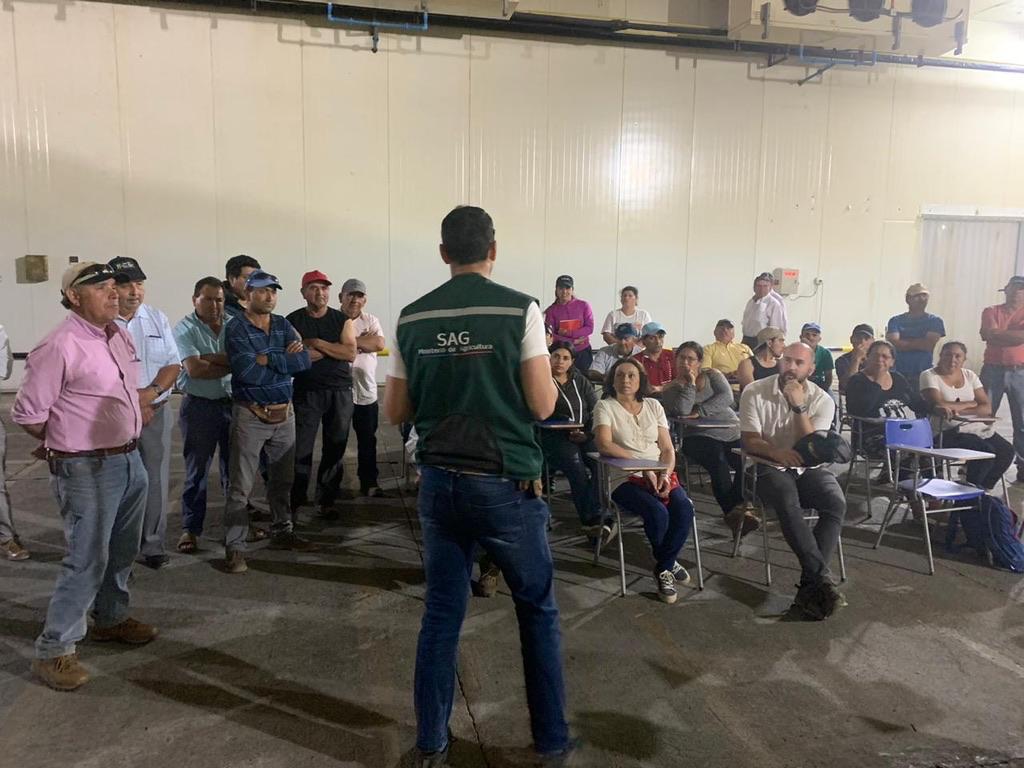
Chile’s Agricultural and Livestock Service (SAG) lists El Torreón Export among exporters with a current operational agreement.

Other SAG records have also identified the company among the exporters authorised for various agricultural products.

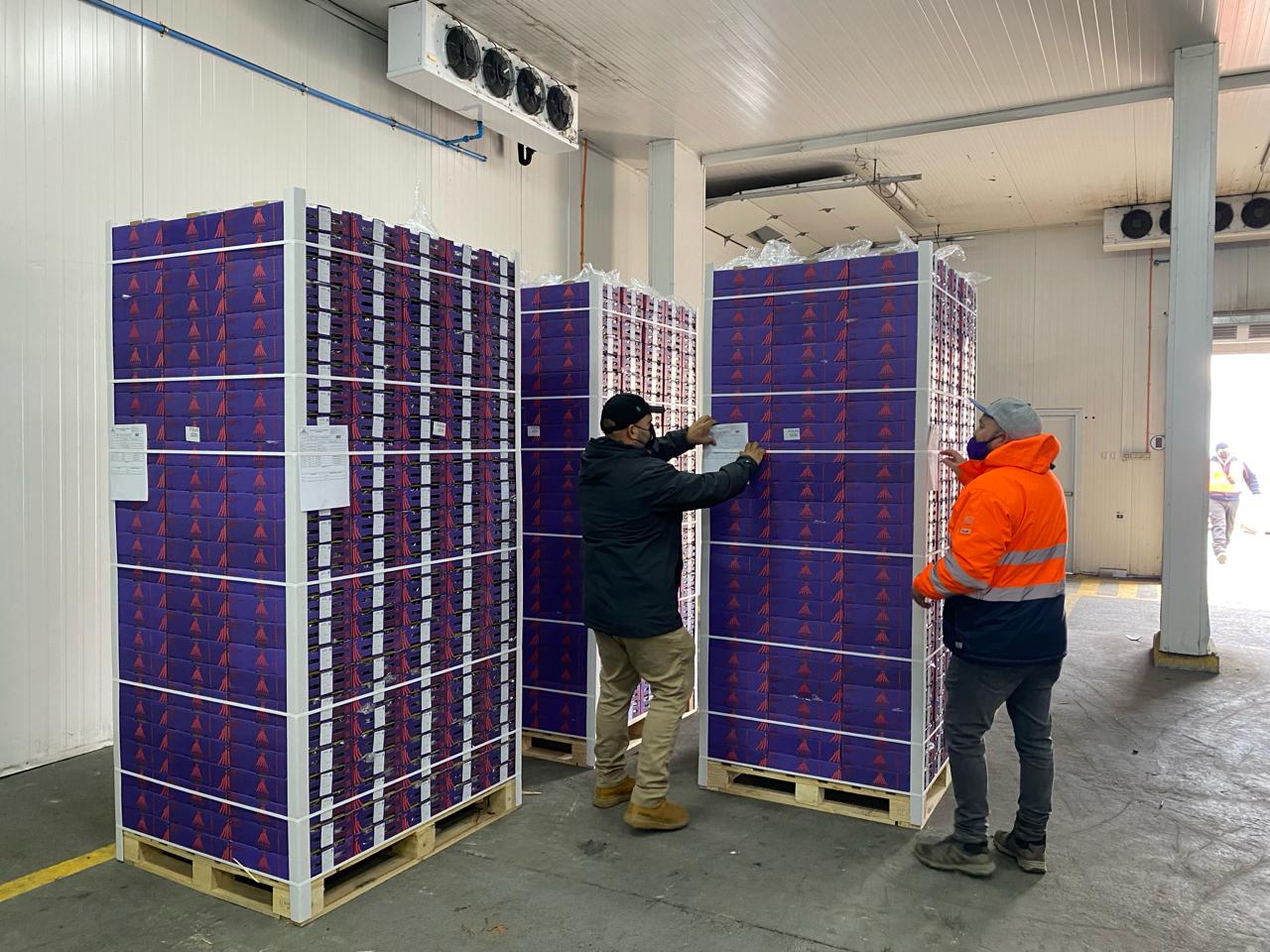
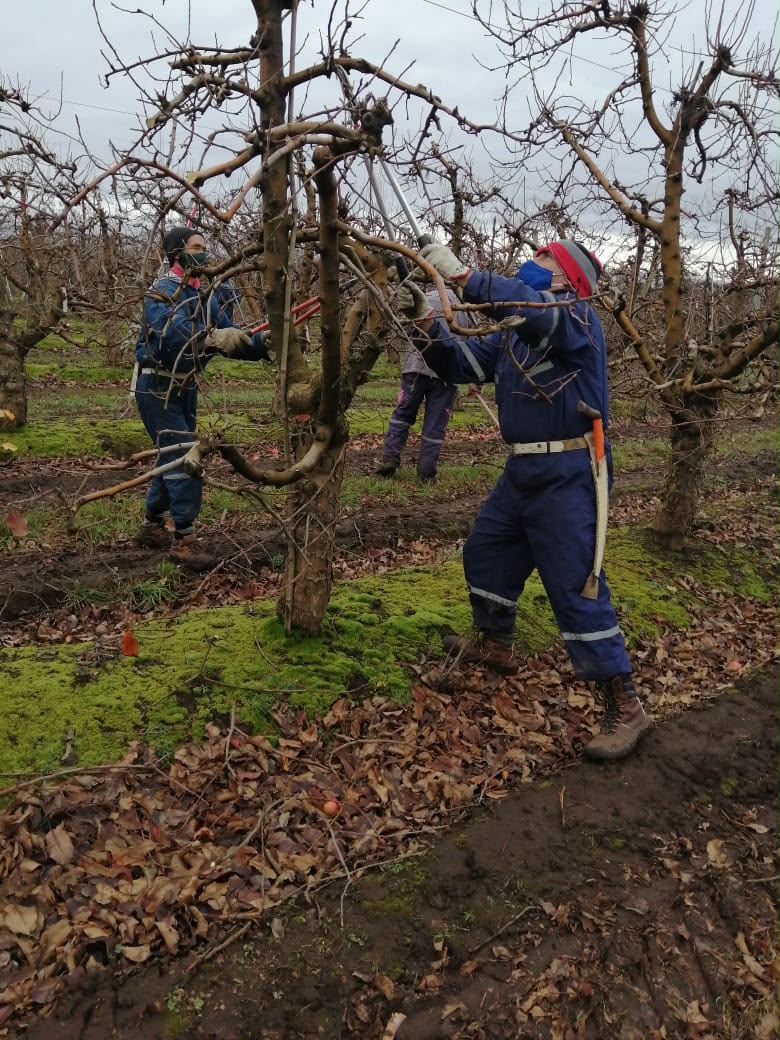
The operation covers growing, harvesting, grading, packing, cold storage and preparing fruit for export.

Production and exports

Innovation and farming technology

The adoption of technology has been one of the areas I have developed during my management.

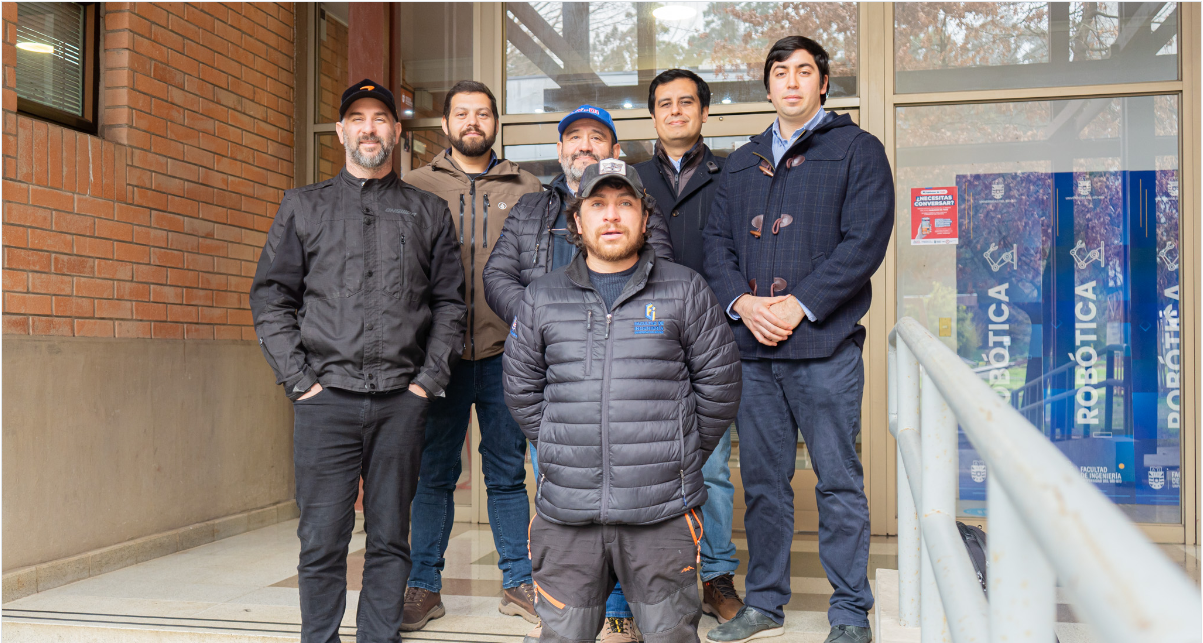
In July 2025 the Faculty of Engineering at Universidad del Bío-Bío hosted me, as general manager of El Torreón Export, together with company representatives, to explore opportunities for technological collaboration.

The visit included facilities for digital fabrication, automation, advanced manufacturing and robotics.

As a result, the university reported that both institutions agreed to move forward with an Applied Research and Technology Transfer project, aimed particularly at finding solutions to optimise transport and palletising processes within the farming operation.

This line of work sits within a broader strategy of bringing automation and technological tools into processes traditionally intensive in manual labour.

UBB advanced manufacturing lab, July 2025

Lobesia botrana and phytosanitary policy

I have taken part publicly in the debate on controlling Lobesia botrana — known as the European grapevine moth — and its effects on Chilean fruit exports.

The presence of the pest led to phytosanitary restrictions that were particularly relevant for blueberry growers in Ñuble and Biobío exporting to the United States.

For years, shipments from certain areas had to undergo methyl bromide fumigation, a treatment that affected the fruit’s organic status and could impair its post-harvest behaviour.

In July 2020 El Torreón Export launched a regional campaign to step up control of Lobesia botrana. I said at the time that the United States fumigation requirement represented a major break in the blueberry cold chain.

That September I published a column in PortalFrutícola advocating a Systems Approach as an alternative to compulsory methyl bromide treatment for orchards able to demonstrate adequate phytosanitary conditions.

The United States subsequently approved the system during 2020.

In 2021, when public funds were approved to fight the pest in urban areas of Ñuble, I again stressed the importance of controlling Lobesia botrana in order to keep organic blueberries' access to the United States market.

monitoring trap in the orchard

The Chilean blueberry industry

I have also spoken publicly on the international competitiveness of the Chilean blueberry industry.

One of the main issues I have addressed is Peru's rapid growth as a global blueberry producer and exporter, a shift that changed the trade windows in which Chile had historically competed.

In 2023, assessing Ñuble's farm export season, I noted that the normalisation of international logistics chains had improved conditions compared with the previous season, though I voiced concern about the growth of Peruvian production and the effect of the exchange rate on Chilean growers' returns.

That same year, in remarks reported by La Discusión, I analysed the effects of Peru's weather on international supply and argued that lower availability of Peruvian fruit could temporarily represent an opportunity for the Chilean industry.

I also warned about the reduction in area and output the Chilean blueberry industry had undergone in previous years.

Farm labour and immigration

Another area in which I have appeared in the media is the availability of workers for the harvest.

In September 2025, La Discusión quoted me as general manager of El Torreón Export in a report on immigration and agriculture in Ñuble.

I argued that migrant workers had become considerably important for the region's agriculture, especially after the labour shortage experienced since 2021.

In December 2025 I also took part in efforts related to formalising temporary farm hiring during Ñuble's periods of peak labour demand.

The issue is particularly relevant for labour-intensive crops such as blueberries and cherries, whose harvest periods require a considerable, temporary increase in workers.

Farm labour and immigration

Institutional ties

During my time at El Torreón Export I have taken part in various forms of collaboration between the farming sector, public bodies and trade organisations.

In June 2020, during a visit by the Minister of Agriculture to Ñuble, officials toured El Torreón Export’s plantings and packhouse to learn about the company’s production practices.

On that occasion I highlighted the combination of family tradition and modernisation in the company's farming processes.

I have also maintained ties with export sector organisations. In 2021, the Chilean Fruit Exporters Association circulated among its members a publication I requested — the organisation identified me as manager and partner of El Torreón Export — on fraud risks in the international fresh fruit trade.

Rural life and decentralisation

The move from the corporate world to farming also led me to write about the differences between urban and rural life.

In a column published in 2020 under the title “El cambio de Switch”, I reflected on the advantages and drawbacks of living outside the big cities, mentioning access to services, connectivity, contact with nature, available space, safety and quality of life.

I wrote the column during the COVID-19 pandemic, and it suggested that the restrictions of that period might lead people to reconsider their personal priorities and the relationship between working life, surroundings and wellbeing.

Rural life and decentralisation

Design and car culture

Alongside my business activity, I have maintained an interest in industrial design and car culture.

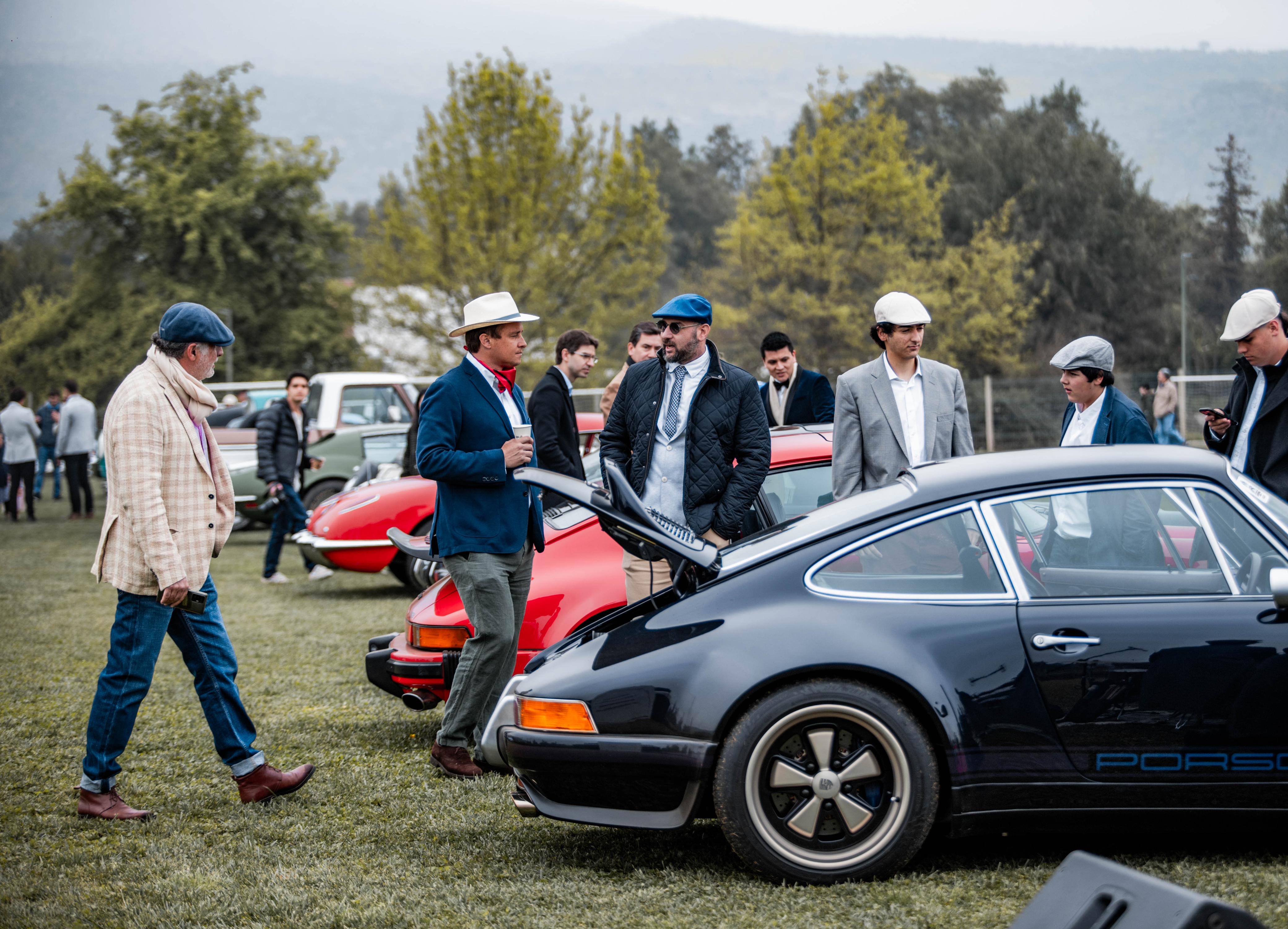
In December 2022 I was the subject of a profile published by La Tercera's specialist MTOnline section, prompted by the arrival in Chile of a 964-generation Porsche 911 restored and reinterpreted by Theon Design in England.

The outlet described me as a designer by profession, a farmer and a member of the Porsche Club Andino, and detailed part of my interest in sports and collector cars.

The Porsche 964 project had begun several years earlier and was a full restoration developed specifically for me.

«A good farming season can be perfectly symbolised by a new car, one that reminds you of the good times every time you get in.»

Mauro Magnasco, column “Para correrlos y admirarlos”, Mundoagro, 13 April 2021
Design and car culture

Small Turismo Manifesto

We are Small Turismo, a group of friends brought together by a passion for sports cars. We call ourselves that because we don't want to be a huge group, but a close-knit team, where trust and good spirits come first.

We are not the kind who keep their cars locked away as garage queens. We like taking them out on the road, feeling the engine and sharing the experience of really driving. At Small Turismo, every outing and every conversation brings us closer as a team that enjoys its cars and its friendship. We are a non-profit community, and the only point is to have a good time.

So welcome to Small Turismo, a team where cars are lived on the road and camaraderie is what holds us together.

Business approach

My career is marked by a combination of disciplines uncommon in a traditional farming path: design, branding, digital marketing, technology and, later, fruit production and international trade.

My professional transition can be divided into three main stages:

1. Design and marketing, with an emphasis on brands, culture and communication.

2. Digital marketing and technology entrepreneurship, coinciding with the growth of social media and digital platforms.

3. Agriculture and export, applying management, technology, communication and design tools to a family farming company.

El Torreón’s evolution during this last stage has included diversified production, direct export, packing services for third parties, modernised processes and the exploration of automation technologies.

Languages

Spanish is my mother tongue and I have knowledge of English, German and Portuguese.

My public professional profile records Spanish, English and German, while Portuguese I developed mainly during my professional residence in São Paulo.

Field notes

Notes by Mauro Magnasco on the orchards, the packhouse and the markets where El Torreón Export fruit is sold.

Press and columns

Profiles, interviews and press mentions, together with the columns written by Mauro Magnasco. Each entry links to the original source; where the outlet closed or blocked access, the link points to an archived copy.

Recurring topics

Lobesia botrana and plant health · competitiveness of Chilean blueberries · technology applied to farming · farm labour · design and collector cars

Profiles, interviews and mentions

Columns I wrote

Institutional record